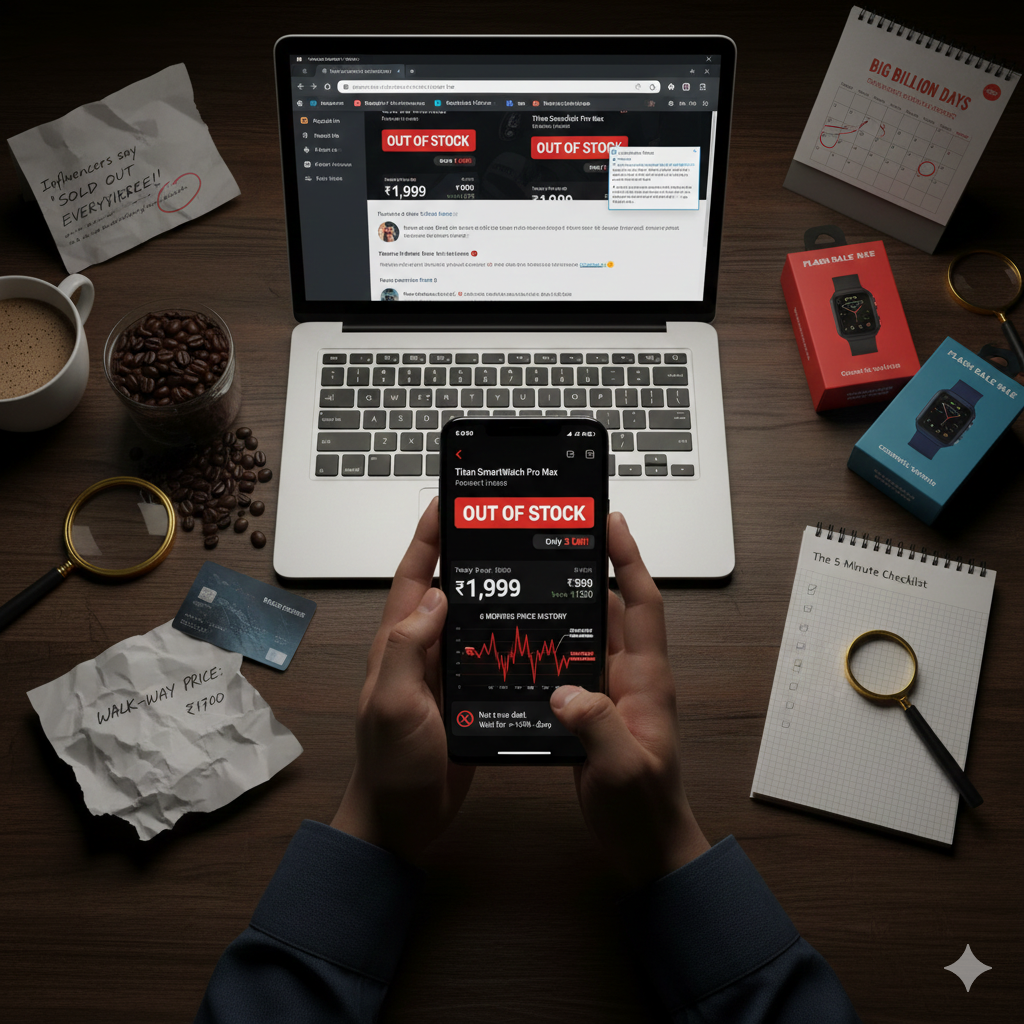
Why Some Products Always Stay “OUT OF STOCK” (The Secret Strategy They Don’t Want You to Know)
If you’ve ever tried buying a popular gadget, a trendy fashion item, or a newly launched product and the page screams “OUT OF STOCK”, you probably felt two things — frustration… and curiosity.
How can something always be out of stock?
Why does every store conveniently “restock at midnight”?
Why does the product magically appear right after you buy something else?
Here’s the truth:
Many brands and e-commerce companies use “Out of Stock” strategically — not accidentally.
This isn’t about inventory problems.
It’s about psychology, demand manipulation, and controlling the market value of the item.
1. Controlled Stock = Maximum Profit
Many sellers don’t release full stock at once.
Why? Because they want to sell the product at the highest price for the longest time.
If a product sells out too quickly, the price naturally drops.
So instead, they:
- Release only 5–10% of inventory
- Make it “sell out” instantly
- Bring it back when demand peaks
- Never allow the price to fall
Result?
The product looks “premium,” even when it’s mass-produced.
2. “Out of Stock” on One Platform = Redirection Trick
A classic move brands use:
Show OUT OF STOCK on Amazon → Push buyers to the brand’s website (where profit margins are higher).
Some platforms even hide stock until you:
- Log in
- Change your pincode
- Enable notifications
- Add more items to the cart
Yes, it’s intentional.
3. Location-Based Stock Manipulation
You check:
❌ Out of stock for your area
✔ In stock for another city
This isn’t a delivery issue. Apps do it to:
- Limit COD orders
- Push prepaid payments
- Avoid areas with high return rates
- Reduce shipping cost
The product is available — just not for you.
4. “Shadow Inventory” for Flash Sales
Ever noticed this?
Product stays OUT OF STOCK for weeks but magically reappears during:
- Big Billion Days
- Prime Day
- Friday Sales
- Payday Offers
This is called Shadow Inventory — stock secretly held for high-traffic events.
5. Out of Stock Creates Urgency (And Urgency Makes You Buy Faster)
When you see “Out of Stock,” your brain panics.
So when it comes back:
- You don’t compare prices
- You don’t check alternatives
- You don’t wait
You buy instantly. And that’s exactly the goal.
6. Influencers + Fake Scarcity = Real Sales
Brands give influencers early access, and influencers shout:
“Sold out everywhere!”
“Hurry before it runs out again!”
Even when it’s NOT actually sold out.
This fear pushes people to buy quickly… which then causes the product to actually sell out.
Fake scarcity becomes real scarcity.
7. Small Brands Use It for Credibility
New brands often show “Out of Stock” because:
- It makes them look in-demand
- It builds hype
- It positions them as premium
It’s branding, not reality.
How to Know If a Product Is REALLY Out of Stock
- Change your pincode
- Check midnight restock timings
- Check price history
- Search across multiple platforms
- Check user complaints on social media
- See if older models are also unavailable
Genuine out-of-stock happens when:
- It’s a new launch with real hype
- It’s a limited edition
- It’s a high-selling budget item
- It’s a seasonal product (ACs in summer, heaters in winter)