Why Brands Keep Increasing MRP Every Year (Even If Nothing Changes)
You buy the same soap, chips, or shampoo—and the MRP mysteriously creeps up again. No new features. No extra quantity. Just a pricier label. Here’s the honest breakdown of why that keeps happening.
1) The Silent, Underlying Cost Creep
Yes—the basic reason exists: inputs keep getting costlier. Raw materials, packaging, freight, fuel, power, and wages inch up year after year. Brands raise MRP to keep historic margins intact. That’s the neat public story—but it’s not the whole picture.
2) Shrinkflation: Less in the Pack, More on the Tag
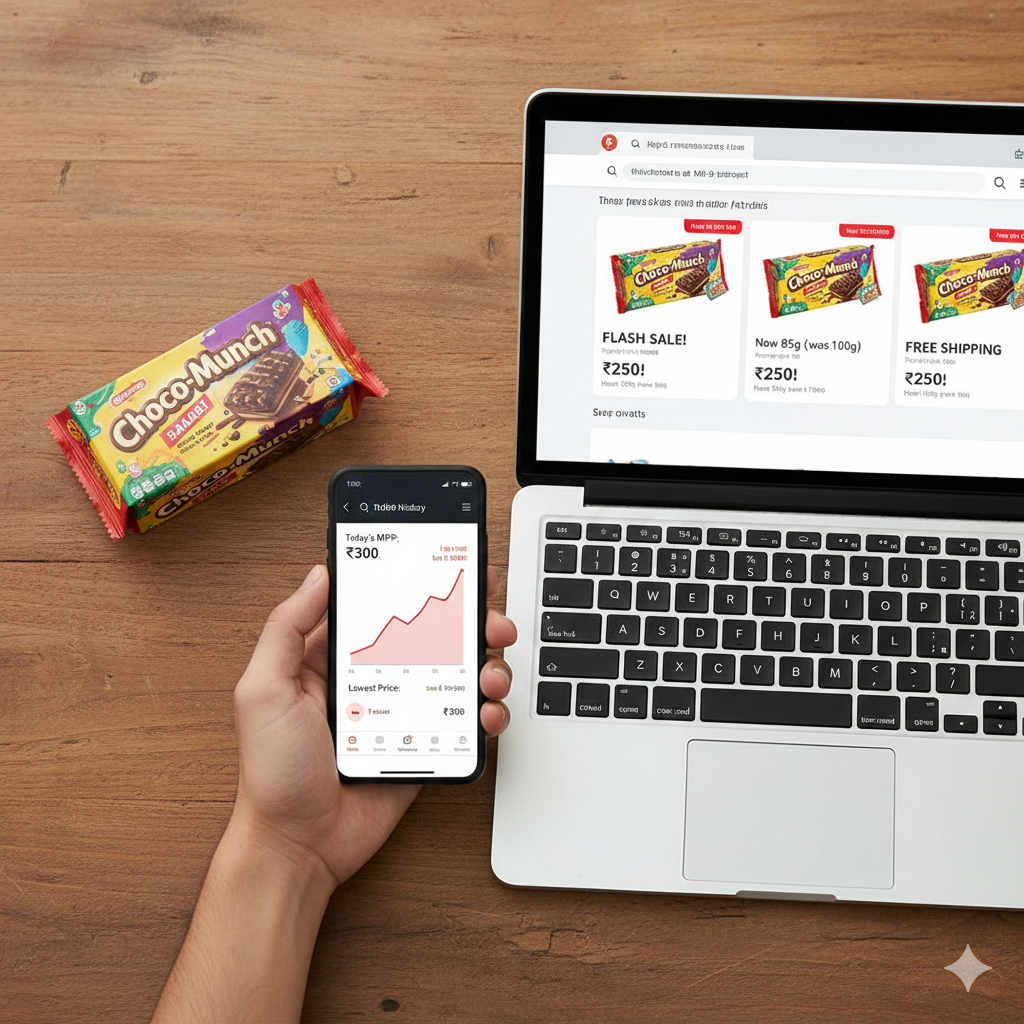
Instead of a blunt price jump, brands quietly reduce quantity: 50g → 45g → 40g → 36g. The pack looks identical, so most people don’t notice. Net effect: higher profit per unit with minimal consumer backlash.
3) “Premium” Positioning by Price
Price signals quality. Even when costs don’t rise, a brand may lift MRP simply to maintain a premium image versus a competitor’s new, costlier variant. It’s pure psychology: Higher price → higher perceived value.
4) Retailer Margin Pressure (The Invisible Hand)
Stores want better margins and incentives. Brands nudge MRP up a little so retailers make ₹2–₹3 more per item without the brand losing out. Result: happier retailers, better shelf space, stronger push—paid for by you.
5) Competitive Price Cycling
When the category leader hikes MRP, the rest follow quickly. No brand wants to look “cheap” long-term in biscuits, detergents, or personal care. One move triggers the market.
6) Seasonal Demand Manipulation
Prices often rise just before peak demand—colas pre-summer, chocolates pre-Diwali, travel essentials before holidays. You’ll buy anyway, so brands harvest the season.
7) Hidden Corporate Costs Passed to You
Tax tweaks, import duties, FX swings, warehousing and logistics, and aggressive ad spends—these bills don’t eat into profit; they’re pushed into the MRP.
8) The “Limited-Time Offer” Trick
Step 1: Raise MRP from ₹200 to ₹250. Step 2: Shout “20% OFF” and sell at ₹200. You feel you saved; you actually paid the old price. This plays brilliantly on big sale days.
9) Micro Hikes Add Up to Big Money
A ₹2 rise in biscuits or ₹5 in snacks feels harmless. Multiply by millions of weekly purchases and it’s a reliable profit engine. Most shoppers don’t track tiny, frequent jumps—that’s the bet.
How to Protect Your Wallet
Do This ✓
- Compare unit price (₹/100g, ₹/L) instead of pack MRP.
- Watch for weight/quantity changes during “new design” launches.
- Use price-history tools and compare across 3–4 stores.
- Stock up during real calendar lows (end-of-season, brand-wide promos).
Avoid This ✗
- Falling for “20% OFF” right after an MRP hike.
- Assuming a higher price equals better quality.
- Ignoring grams/ml on the label—classic shrinkflation trap.
- Buying at seasonal peaks without checking alternatives.