Ukraine Peace Talks Shake Up Global Markets
A straight-talk explanation of why peace headlines hit defense shares — without the jargon.
But the world of business doesn’t always react the way ordinary people do. In fact, the latest round of peace discussions involving Ukraine has triggered an unexpected ripple through the financial markets, especially in countries that have been supplying weapons throughout the conflict.
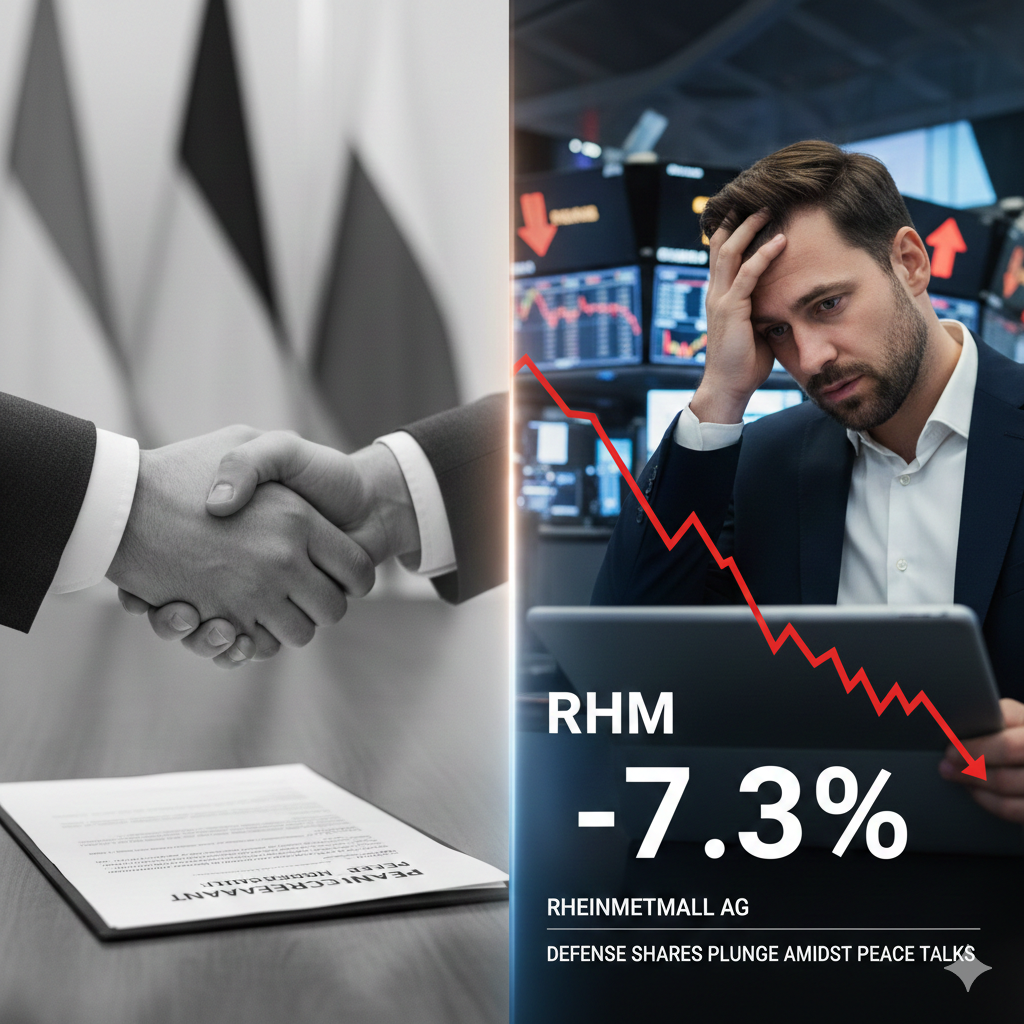
One of the biggest shocks came from Germany, where shares of Rheinmetall — the country’s biggest defense manufacturer — suddenly began to fall. This is the same company that has been booming for years because of rising demand for ammunition, artillery systems, and armored vehicles. For a long time, war meant profit. Now, the idea of peace is causing investors to panic.
Let’s talk about what’s actually happening, without the boring financial jargon.
Why Peace Talks Are Causing Panic in the Defense Industry
Whenever conflicts drag on, the companies building missiles, tanks, drones, and other military equipment tend to see consistent demand. These businesses often plan production years ahead, based on government orders and international contracts. So when the U.S. reportedly handed Ukraine a detailed peace proposal, investors immediately understood what that might mean: if the fighting slows, the need for ammunition and heavy artillery could shrink.
For Rheinmetall, a company that has grown massively since 2022, this is no small matter. Its stock has jumped more than 2,000% in just four years — an unbelievable rise driven by European nations urgently rebuilding their military stockpiles. When news of possible peace surfaced, investors reacted fast. Within days, the company’s share price dropped sharply, and other defense firms like Hensoldt saw similar losses.
It wasn’t because the companies suddenly became weaker — it was because the market was adjusting to a future where their biggest customer might not need as much firepower anymore.
The Peace Proposal That Changed the Mood
The new peace proposal wasn’t some vague idea. It was a 28-point plan presented to Kyiv, with a deadline for response. Meetings were held in Geneva, statements were made, and the political mood shifted dramatically. Even hints from Washington and European leaders that progress was “possible” were enough to jolt financial markets.
For everyday people, peace sounds like the best possible outcome. For investors in weapons manufacturing, peace signals uncertainty. These industries rely on long-term orders and predictable conflict-driven demand. If the war slows, governments may reduce emergency military spending, and companies that have expanded rapidly may suddenly need to downscale.
This tension between humanitarian hope and financial fear is at the center of the current market shake-up.
Why Germany Is Feeling the Pressure More Than Others
Germany plays a major role in supplying Ukraine with equipment. After the U.S., it has become the second-largest provider of military aid. Rheinmetall, in particular, has been crucial — delivering armored vehicles, ammunition, and artillery that Ukraine depends on.
So when peace talks resurface, it’s not just about Ukraine. It affects Germany’s defense policy, budget planning, and industrial growth. Investors know this, which is why the sharp drop in stock prices happened so quickly.
But there’s a twist here: earlier in the year, when another attempt at peace surfaced, Rheinmetall’s CEO insisted that production would continue regardless. That’s because even with peace, countries still want to rebuild depleted stockpiles. The last few years have shown Europe how unprepared it was for large-scale conflict, and many governments have already announced long-term plans to strengthen defense. So it’s not like Rheinmetall will suddenly run out of orders. The fear is more about slowing momentum rather than stopping entirely.
Is Peace Really Bad News for Business? Not Exactly.
The fear in the markets doesn’t mean peace will destroy the defense industry. It simply means expectations will change. Companies that grew extremely fast because of emergency wartime demands may now shift into a more stable, predictable phase. Instead of explosive profits, growth may be slower — but steadier.
Investors don’t like surprises, and peace was a surprise they weren’t ready for.
At the same time, the humanitarian side cannot be ignored. If peace truly moves forward, lives will be saved, families will reunite, cities will rebuild, and millions of people will finally live without fear. That benefit outweighs any financial discomfort.
Final Thoughts
The market reaction to peace talks shows how deeply war influences global business. It reminds us that every conflict creates winners and losers, not only on the battlefield but also on the stock exchange. While some investors may be anxious, the world as a whole would benefit far more from stability than from conflict-driven profits.
If these peace negotiations lead somewhere real, the financial markets will adjust. Companies will adapt. But the world might get something far more valuable — a step toward ending a long and painful chapter.