Breaking Analysis
Border War Scare: Thailand and Cambodia Plunge into Deadly Clashes
After months of holding their breath, the fragile calm between Thailand and Cambodia has violently shattered. Now, deadly clashes along their disputed border include accusations of ceasefire breaches and, alarmingly, the introduction of Thai air strikes.
The Blame Game and the Bloodshed
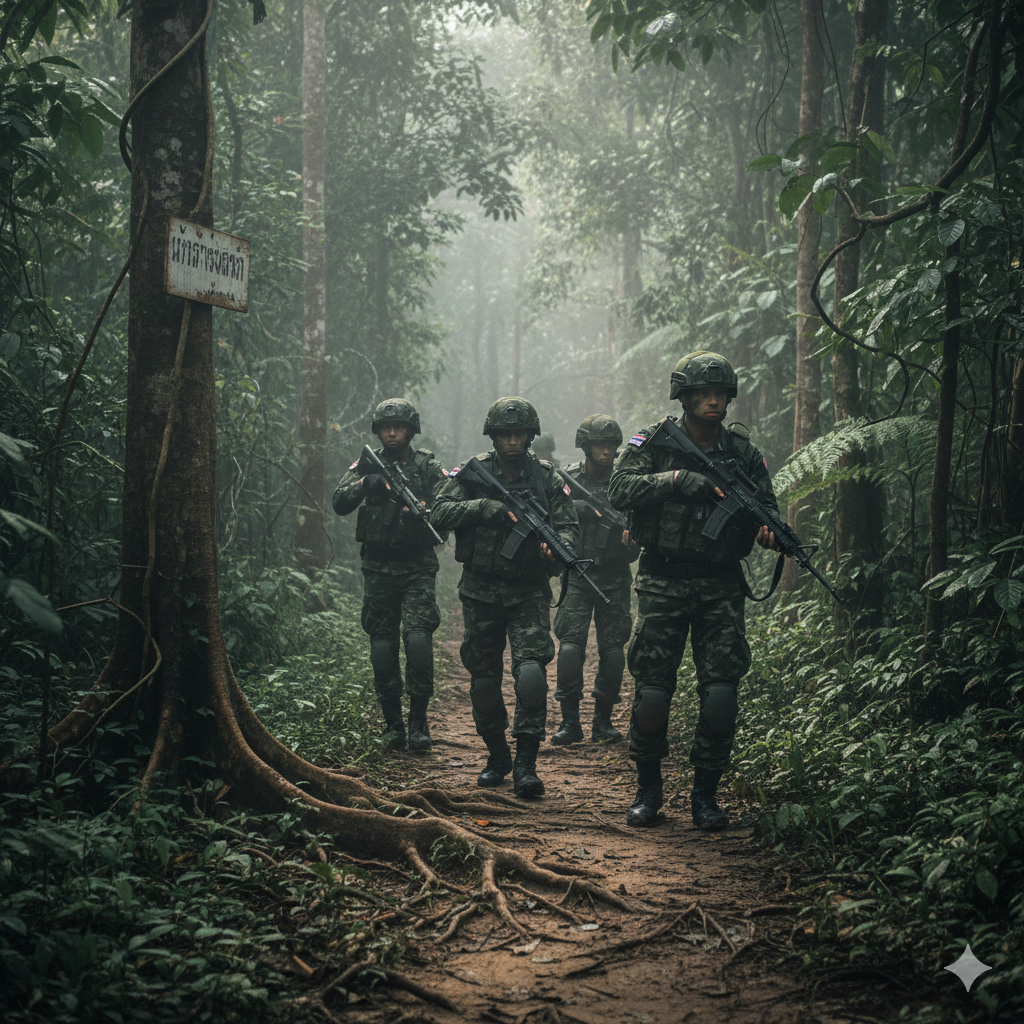
The fighting took place near Thailand's Ubon Ratchathani province, with heavy gunfire and artillery across at least two locations. Thailand said one soldier was killed and four injured, blaming Cambodia for breaking the truce first. Cambodia, naturally, says the opposite — that Thai units launched sudden, dawn attacks.
This is not a new he-said-she-said narrative; their border has long been a tinderbox of unresolved land and resource disputes. However, the escalation is grave because air power has entered the equation.
✈️ Air Strikes Change Everything
Thailand admits it’s using aircraft to target Cambodian military positions. Cambodia, in turn, alleges these operations are hitting dangerously close to civilian areas.
Why This Matters Beyond the Border
A Thailand–Cambodia conflict isn’t just local news; it’s a regional stability risk for Southeast Asia. Both economies depend on tourism and cross-border trade. Prolonged fighting threatens both — and raises the odds of outside diplomatic or even military involvement.
For impoverished communities near the border, clashes mean fear, displacement, and hardship. If escalation continues, thousands could be forced to flee.
The Spark: What Likely Caused the Flare-Up?
- Provocation gone wrong: routine patrols can miscalculate and ignite wider conflict.
- Internal politics: leaders sometimes lean on border toughness to absorb domestic pressures.
- Ceasefire mistrust: perceived force build-ups can trigger pre-emptive strikes as a “first response.”
ASEAN’s Diplomatic Position
Regional pressure is firmly on de-escalation and dialogue under ASEAN Charter principles. Voices tied to earlier mediation efforts have urged restraint; the consistent line is to halt offensive operations, protect civilians, and reopen communication channels immediately.
What Determines the Next 72 Hours
- Immediate halt to air and artillery strikes along civilian corridors.
- Reactivation of military hotlines and third-party verification to investigate who fired first.
- Buffer measures: pullback zones, joint patrol protocols, and tight rules of engagement.
Bottom line: This can still cool down — but the window narrows with every casualty. Stop offensive ops, talk fast, and keep civilians out of the crosshairs. The region is watching.