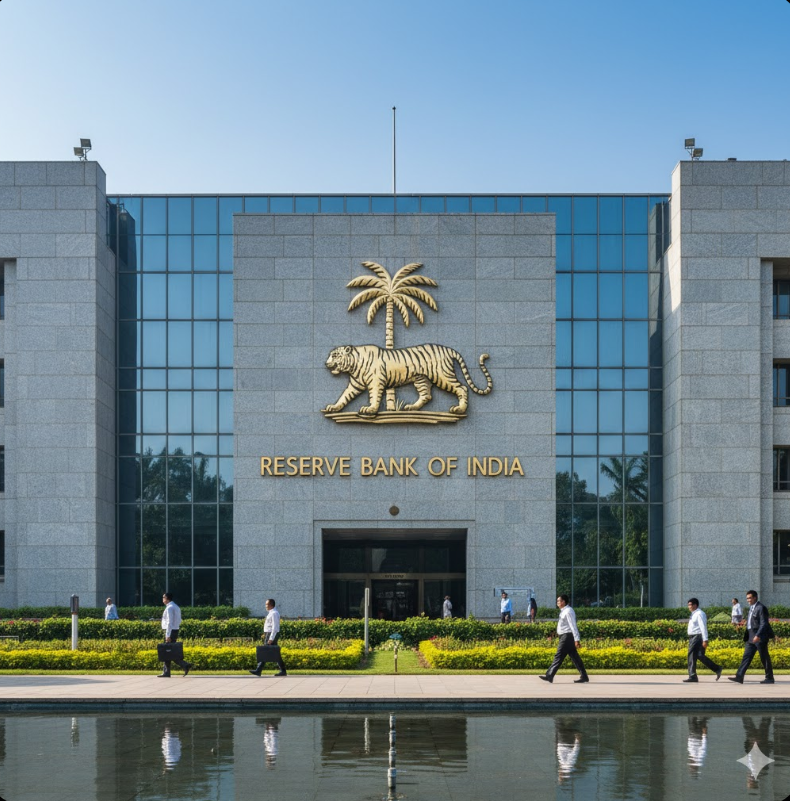
The Reserve Bank of India is pushing banks to adopt a more transparent and consistent system for declaring service charges. If you’ve ever been confused by random SMS alerts saying “service fee deducted”, or struggled to understand why different banks charge different amounts for the same service, this update matters to you.
So let’s get into what RBI is doing, why they’re doing it, and how it might make your banking experience smoother and less painful.
This basically means banks will no longer be allowed to surprise customers with unclear fees or duplicate deductions for the same service. If you keep money in a savings account or use digital banking, you’ve probably faced service charges at some point — ATM withdrawals beyond limits, SMS alerts, cheque returns, minimum balance penalties, and so on. Many of these charges are not explained clearly, and every bank follows its own structure. That confusion is exactly what RBI wants to fix.
The pressure has been building for months. Recently, several state-owned banks removed penalties linked to minimum balance requirements because customers were complaining that these penalties were inconsistent, unpredictable, and unfair. At the same time, digital transactions have become the norm in India, and millions of new users entered the banking system. Hidden fees hit harder when so many people rely on banking every day, especially those who don’t track every transaction.
RBI knows that lack of transparency leads to mistrust, and mistrust is dangerous for any financial system. So this initiative is basically RBI telling banks: “Enough confusion. Give people clarity.”
Let’s look at what might actually change.
First, banks will need to clearly show all charges in one place, using the same terminology and formats. No more digging through huge PDFs filled with fine print. This alone will reduce confusion significantly.
Second, duplicate charges — where banks indirectly charge for the same service twice — will be removed. For example, some banks charge separately for SMS alerts and debit card maintenance, even though SMS alerts are part of debit card usage. RBI doesn’t want such overlaps anymore.
Third, customers will get a clearer breakdown of why a fee was applied. Instead of a vague “Service Fee — Rs 12”, your bank will need to show exactly what the service was and when you used it.
Once everything becomes uniform, customers can compare banks easily and switch if they’re unhappy. This will push banks to become competitive and possibly reduce unnecessary fees.
When will these changes affect you?
RBI hasn’t announced a fixed deadline yet, but discussions are already underway. Usually when RBI pushes for something, banks don’t take long to align with the new rules. Over the next few months, you’ll likely see your bank updating its service charge page, sending emails or SMS about new formats, and making disclosures simpler.
The long-term impact is huge. Banking will become more transparent, customers will be more informed, and hidden charges will slowly disappear. RBI is essentially cleaning up the chaos that has existed in the banking fee system for years.
So that’s all for today’s vlog. If you value your money and hate unfair deductions, this RBI move is a big win. Keep an eye on your bank notifications — changes are coming soon, and for the first time, they’re actually in your favour.