OpenAI Could Need Over $200 Billion by 2030, Warns HSBC
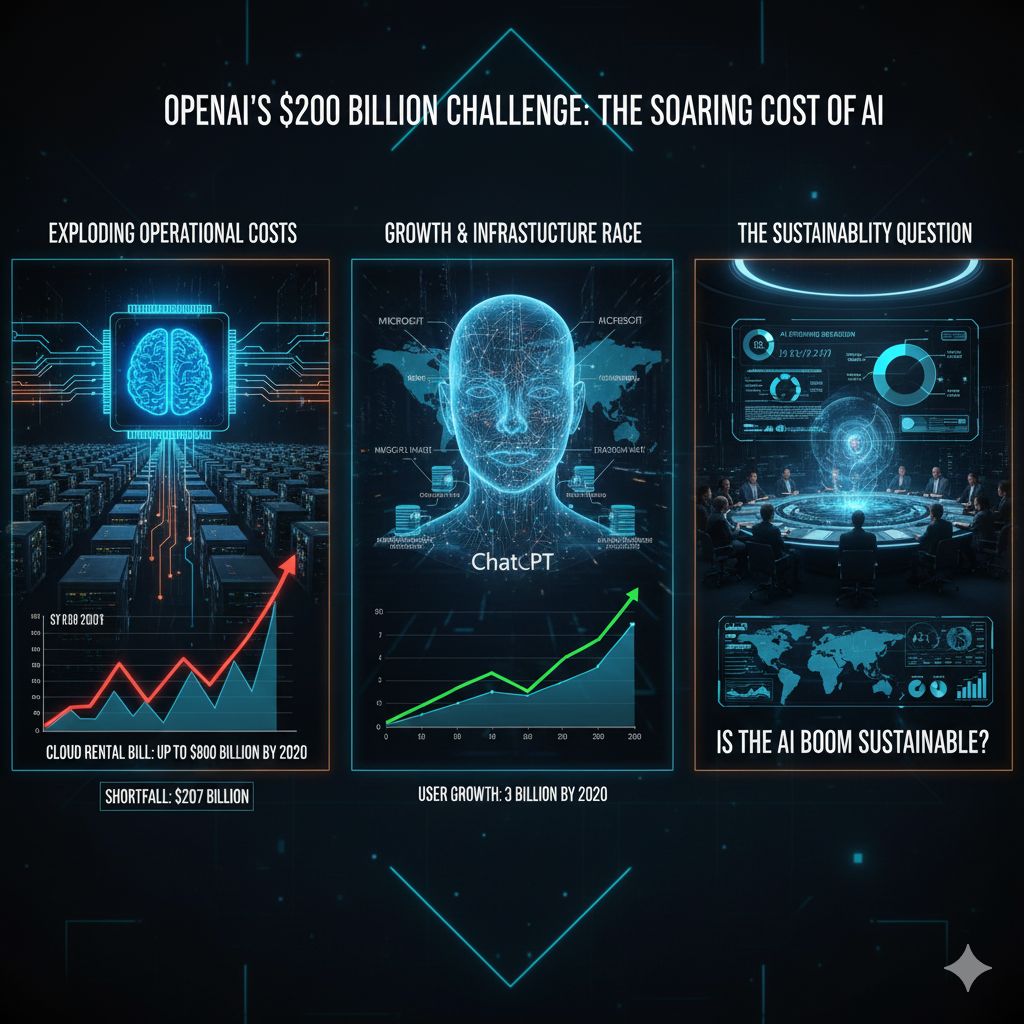
It's a money pit of epic proportions. As AI continues to get sharper and more capable every year, the money to build and operate those systems is surging in ways few anticipated. A new study from HSBC estimates that just to keep the lights on, OpenAI could need more than $200 billion in new funding by 2030.
That figure has people taking notice, not merely because of the number itself, but because it spotlights a bigger truth: breakthroughs in AI don’t come cheap, and the frontrunners are burning cash at an unprecedented rate.
Why the Bill Is So Steep for OpenAI
According to the analysis by HSBC, OpenAI isn't only spending big on training new models, but the running costs are enormous, too. Every query, every chat, every generated image or document runs on massive cloud computing power, powered by Nvidia GPUs and dense data-center infrastructure.
The researchers note that expenses are ballooning as more users sign on for ChatGPT and other tools. In order to continue growing — and to continue improving — OpenAI would need massive injections of capital, not just to expand but simply to keep operating.
According to HSBC's estimates, the cloud bill could reach $800 billion by 2030 for data centers, compute, electricity, and long-term cloud deals with companies such as Microsoft, Amazon, and Oracle.
The bank calculates that even in the best-case scenarios, OpenAI could still fall about $207 billion short by 2030 if it does not find fresh capital or rethink its cost structure.
User Growth Is Off the Charts — But So Are the Costs
The report also projects explosive growth for ChatGPT: HSBC said the chatbot could approach 3 billion regular users by 2030, up from roughly 800 million today. That would make ChatGPT one of the most widely used digital services in the world.
The catch is clear: the more users OpenAI gains, the more demand is placed on energy-hungry servers powering those real-time responses.
Big Tech Is Investing Billions in AI Infrastructure
This cost spiral is not particular to OpenAI. The entire Big Tech ecosystem is racing to build data centers full of advanced AI chips. Google, Meta, and Amazon have each invested tens of billions into AI infrastructure in the last two years.
The rapid rise of OpenAI means the company now faces enormous pressure. Since ChatGPT entered the scene three years ago, OpenAI has become one of the most influential names in the AI world. Demand for services like ChatGPT — which challenge traditional search engines, digital assistants, and productivity software — is far higher than what many expected.
That push to innovate quickly has driven spending to historic highs, with no obvious slowdown in sight.
Bottom Line: Powerful Technology, Equally Powerful Price Tag
The HSBC report serves as a stark reality check. While AI is transforming industries and reshaping how people use technology, it comes with staggering costs. Running tools like ChatGPT requires some of the most expensive computing infrastructure ever built.
Whether OpenAI can raise the hundreds of billions it needs — or find more efficient ways to deliver AI — will determine just how sustainable this new era of artificial intelligence really is.