IndiGo Meltdown: What Went Wrong & What Must Change
Today’s vlog is about something every Indian traveler has felt in the last few days: IndiGo—the carrier known for reliability, punctuality, and “on-time performance” branding—hit an operational crisis so huge that hundreds of flights were cancelled, thousands of passengers were stranded, and airports across the country turned into chaos zones.
What really happened? Why did things collapse? And what does the government mean when it says IndiGo “didn't take FDTL reforms seriously”? Let’s cut the excuses and get to the truth.
The Situation on the Ground
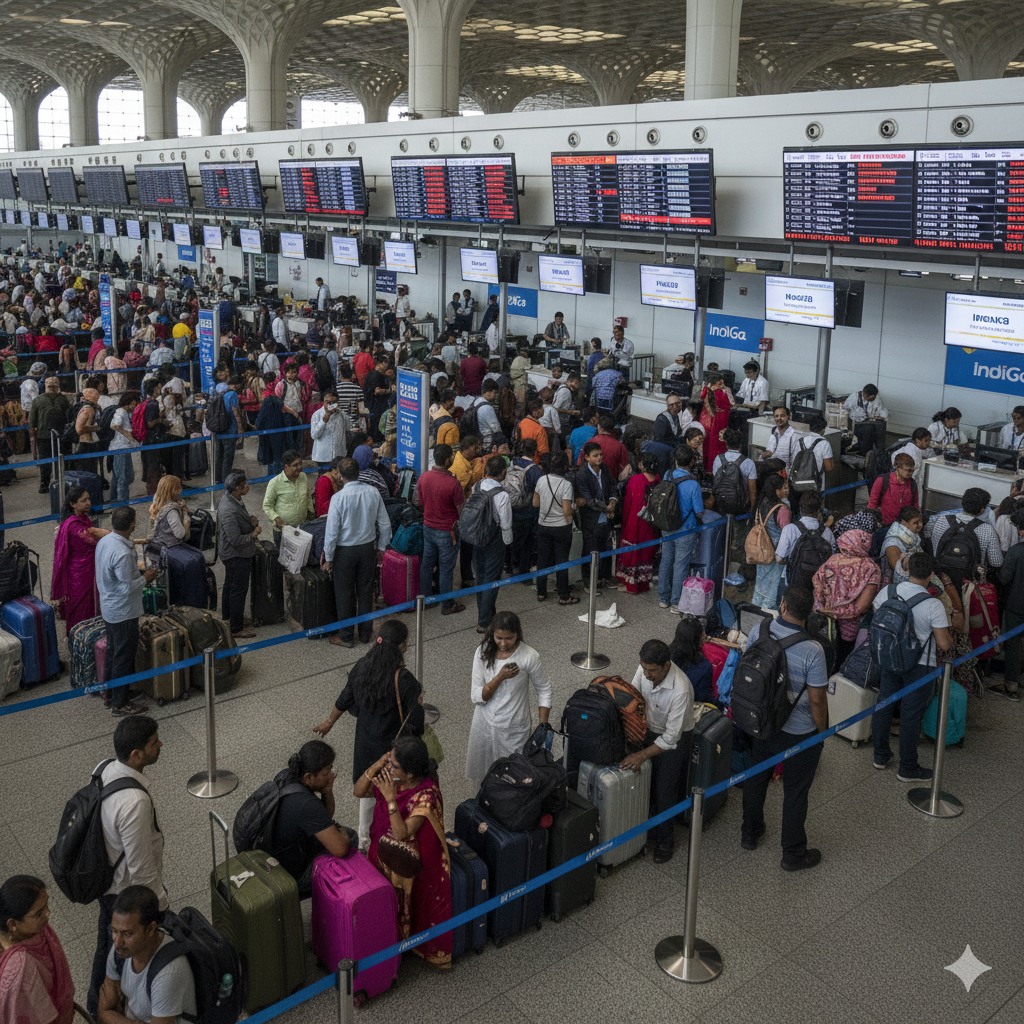
Delhi, Hyderabad, Mumbai, Bengaluru — every major airport saw long lines, passengers sleeping on floors, families stuck for hours without answers, and customer care completely overwhelmed. Hyderabad Airport alone recorded 69 planned cancellations. Delhi had 86 IndiGo flights wiped out from the schedule. Ahmedabad saw dozens more vanish.
This wasn’t weather. This wasn’t “technical reasons.” This was a management breakdown.
FDTL: The Rule That Wasn’t Respected
FDTL — Flight Duty Time Limitation — are rules that tell airlines how long crew can fly, how much rest they must receive, and how shifts must be structured. Crew fatigue can kill people — literally — which is why FDTL rules exist globally.
According to the Minister of Civil Aviation, Murlidhar Mohol, IndiGo “did not take FDTL reforms seriously.” That’s a diplomatic way of saying the airline pushed its crew to the edge until the system snapped. Once pilots and cabin crew hit mandatory exhaustion limits, flights must be grounded — period.
Think of running a car without servicing, ignoring warnings, pushing the engine, and then acting shocked when it dies on the highway. That’s what happened here — except it was a nationwide fleet and a countrywide shutdown.
How It Unravelled
Passengers reported pilots refusing flights, crews timing out mid-duty, and operations suddenly short-staffed. The airline kept adding flights, expanding aggressively, and squeezing every minute of the day — but ignored the reality that humans are not machines.
Official line: the situation shows “slight improvement.” Translation: still far from normal. You can’t fix staffing shortages, rest debts, and scheduling chaos overnight.
Where Responsibility Lies
This crisis didn’t appear from thin air. It’s the result of:
- Undermanned operations
- Overworked flight crews
- Poor planning for holiday-season demand
- Failure to adapt to FDTL rule changes
- Zero communication with passengers
IndiGo built its brand on reliability. This crisis shattered that image. Flights were cancelled at the last minute; some still showed “on time” until they vanished from the board. Passengers learned of cancellations only after reaching the airport. Unacceptable.
What Must Change — Now
- Crew Scheduling Reform: Hire more, plan smarter, stop squeezing every minute out of duty time.
- Real Transparency: Push real-time alerts; don’t ambush travelers at the gate.
- Government Oversight: FDTL is not optional. Strict auditing must continue until IndiGo proves it can run safe cycles.
- Accountability: Leadership should own the failure instead of blaming “demand fluctuations.”
Bottom Line
This meltdown is a lesson for the entire aviation ecosystem: you cannot cut corners on crew welfare. Fatigue leads to mistakes, and mistakes in aviation cost lives.
Even the biggest airline in India can fall apart if it ignores the rules designed to protect passengers. “Slight improvement” is not enough. IndiGo needs structural change, transparent communication, and a reset of its operational culture.
Planning to fly soon? Stay alert, check your flight status frequently, and don’t trust the “on time” tag on airport screens without confirmation.