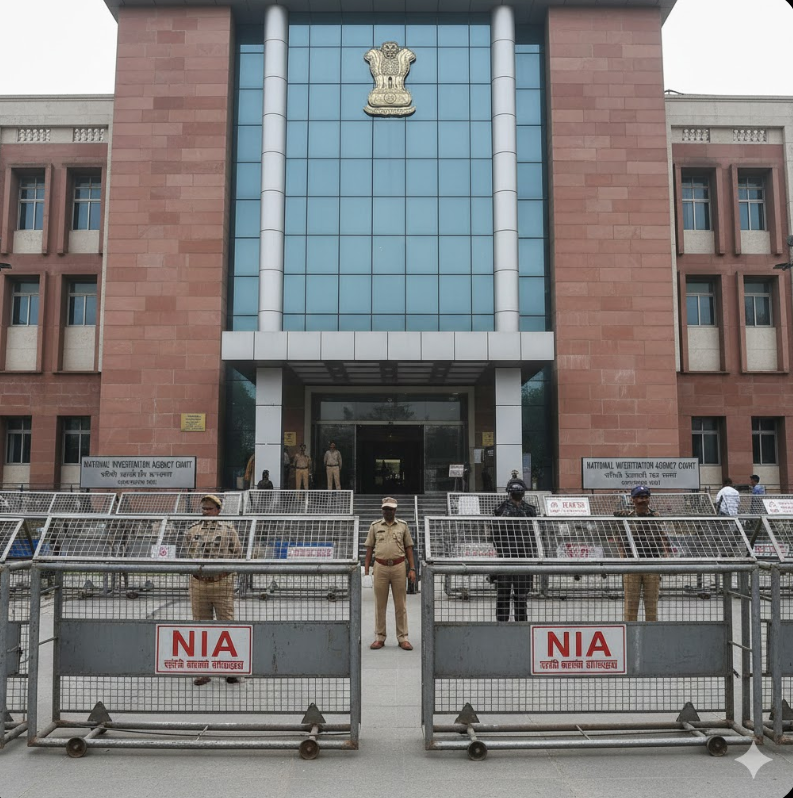
Delhi Bomb Blast Case: Why a Special NIA Court Sent Two Accused to 14-Day Judicial Custody
Banking & Security · Updated: Dec 11, 2025
Case Update
A Special NIA Court has remanded Amir Rashid Ali and Jasir Bilal Wani (alias Danish) to 14-day judicial custody in the Delhi bomb blast case. This is a significant procedural step in a national-security investigation, not a declaration of guilt.
⚖️ The Shift: From NIA Interrogation to Jail
The NIA produced the two men in court as their initial custody ended. Instead of extending interrogation (police/NIA custody), the court moved them to judicial custody. Under NIA custody, investigators conduct face-to-face questioning, collect evidence, and take the accused to relevant locations. Judicial custody transfers them to jail under court supervision.
Typically, this switch indicates the primary questioning phase is complete. Agencies now sift evidence, verify digital leads, and cross-check statements with recoveries. Judicial custody also lets investigators chase external leads without physically holding the accused.
Key point: This is a procedural stage gate, not a finding on guilt.
⏳ The Next 14 Days: The Evidence Phase
- Forensics and document review: devices, call records, travel histories, financial trails.
- Cross-verification of statements against lab results and intelligence inputs.
- If needed, investigators may seek court permission for further confrontation or fresh questioning.
At the end of the remand, the accused are produced again. The court reviews a status report and decides on the next step—extension of custody, movement toward filing, or consideration of bail applications. New clarity may emerge, including potential fresh arrests or firming up of charges.
Why This Step Matters
Terror investigations span states and sometimes borders. Leads branch into logistics, funding, communications, and safe-house networks. The custody shift reduces procedural friction while the agency builds an evidence record that can withstand judicial scrutiny.
Public updates will likely slow during this phase. Sensitive operations are not broadcast; material developments typically surface in court filings and orders.
Bottom Line
The case is progressing through standard legal stages. The accused remain accused. The coming fortnight focuses on validation, forensics, and paperwork that either strengthens the case or redirects it. Expect the next official update at the end of the remand when the court reviews progress.
Delhi Blast Case: Two Accused Sent to Judicial Custody—What’s Next?
This section summarises the same development: the Special NIA Court has placed Amir Rashid Ali and Jasir Bilal Wani under 14-day judicial custody. The shift from interrogation to jail custody signals a transition from active questioning to evidence consolidation. The court will reassess after two weeks based on the agency’s status report, while bail and further remand remain contingent on investigative needs and judicial evaluation.